Recognizing the Science of Gas Circulation Characteristics
When you consider gas flow dynamics, it's simple to neglect the intricate scientific research Cobham licensed gas engineer that regulates it. Understanding just how elements like thickness, stress differences, and circulation kinds connect can profoundly impact whatever from industrial effectiveness to environmental safety. You might be surprised to find out just how these principles apply across different design applications. What's a lot more intriguing is how arising innovations are reshaping these ideas, opening up brand-new opportunities. So, what are the ramifications of these developments for the future of gas dynamics?
Key understandings
- Gas flow characteristics are affected by thickness, molecular movement, stress distinctions, and temperature, impacting total circulation behavior and effectiveness.
- Laminar and stormy circulations represent different flow routines, with Reynolds number figuring out the change between them.
- Border layers play a crucial duty in decreasing drag and enhancing circulation effectiveness in pipelines and combustion systems.
- Advanced technologies, such as computational liquid characteristics and wise monitoring systems, maximize gas transport and improve safety measures.
- Comprehending gas flow characteristics is necessary for applications in burning effectiveness, air flow systems, and environmental influence monitoring.
Standard Principles of Gas Circulation
Recognizing the standard concepts of gas circulation is vital for numerous applications, from engineering to environmental science. You need to recognize that gas thickness plays an important function in identifying circulation resistance, which straight influences the flow price of gases. As you evaluate flow dynamics, take into consideration just how molecular movement differs with various gas make-ups, affecting the total behavior of the flow.
When determining flow, it is necessary to make up the results of limit layers that form along surface areas. These layers can significantly influence the rate account of the gas, leading to variations in flow dimension. To visualize this circulation, circulation visualization methods can aid you observe how gases connect with their setting and how disturbances circulate with the tool.
In functional applications, understanding these concepts allows you to anticipate and control gas habits successfully. Whether you're developing an air flow system or studying pollutant diffusion, your grasp of these fundamental principles will certainly assist your decision-making and enhance performance. By integrating these understandings, you can improve your understanding of gas characteristics and apply this knowledge across numerous scientific and design domain names.
Secret Variables Affecting Flow
When assessing gas circulation, stress differences and temperature level results are essential variables to review. You'll find that pressure gradients drive the circulation, while temperature influences gas density and viscosity. Understanding these elements permits you to anticipate and control flow actions properly.
Stress Distinctions
Evaluating pressure differences reveals their crucial duty in gas circulation characteristics. You'll discover that stress measurement is important in understanding exactly how gases act under varying conditions. When there's a difference in pressure in between 2 factors in a system, gas will normally move from the high-pressure area to the low-pressure location. This activity can be measured utilizing Bernoulli's principle, which highlights the partnership in between stress and speed.

In technique, flow visualization strategies can aid you observe these dynamics extra clearly. By employing devices like smoke or dye, you can envision just how gas flows in action to stress gradients. This not only help in comprehending circulation patterns but also aids in recognizing potential inefficiencies or locations of disturbance within a system.
To optimize gas circulation, it's important to monitor and adjust stress degrees appropriately. This assures that you maintain an effective flow price, minimizing energy loss and improving system efficiency. By concentrating on stress differences, you can obtain understandings into the basic systems driving gas flow, paving the way for improved designs and applications in various design areas. Comprehending these concepts is critical for any person collaborating with gas dynamics.
Temperature Results
Stress differences are simply one element influencing gas flow characteristics; temperature level additionally plays a notable role in how gases act. When you boost temperature level, you'll observe thermal expansion, which triggers the gas particles to move a lot more vigorously. This raised kinetic power lead to a lower density, allowing the gas to occupy a larger volume. Consequently, this growth can considerably improve flow rates in systems where restrictions are minimal.
In addition, temperature level modifications directly impact thickness. As temperature rises, gas thickness normally lowers, bring about lowered resistance against circulation. This decrease enables smoother and more efficient motion of gas via pipes or other channels. Conversely, lowering the temperature level can raise viscosity, developing more rubbing and impeding circulation.
You should likewise take into consideration that these temperature results aren't straight; they can vary based upon particular gas buildings and the ecological context. Understanding the interplay of thermal growth and thickness adjustments is important for optimizing system designs and making certain reputable gas transport. By closely checking these temperature effects, you can improve efficiency and performance in various applications, from commercial procedures to cooling and heating systems.
Sorts Of Gas Flow
In understanding gas flow, you require to distinguish between laminar and rough flow, as each shows unique attributes under differing conditions. Furthermore, acknowledging the distinctions in between compressible and incompressible gases is crucial for precise analysis and application in different systems. These categories greatly affect the habits and efficiency of gas circulation in design contexts.
Laminar vs. Stormy Flow
Recognizing the differences in between laminar and turbulent flow is necessary for anticipating gas behavior in numerous applications. In liquid mechanics, laminar flow is characterized by smooth, parallel layers of gas, while turbulent flow shows chaotic, uneven motion. The Reynolds number plays a considerable role in determining flow program; a low Reynolds number shows laminar circulation, whereas a high number symbolizes turbulence.
Secret differences include:
- Viscous Pressures: In laminar flow, viscous pressures dominate, keeping flow stability and minimizing power dissipation.
- Boundary Layers: Laminar circulation creates thin boundary layers, minimizing drag and boosting performance in applications like piping systems.
- Blending Phenomena: Stormy circulation promotes significant blending, which can be useful in procedures needing harmony but may result in flow separation and raised drag.
In laminar circulation, you'll notice less power loss and more predictable behavior, while unstable circulation can boost blending but at the expense of drag decrease. Comprehending these characteristics helps you maximize systems, whether you're making gas transportation pipes or studying combustion processes.
Compressible vs. Incompressible Gas
Gas flow can be classified into compressible and incompressible kinds, each with distinctive characteristics that affect their habits under varying problems. Incompressible gas circulation usually occurs at low velocities, where density variants are minimal, and you can simplify evaluation by presuming continuous thickness. This is commonly seen in fluids or gases moving at subsonic speeds, permitting you to forecast flow characteristics with basic equations stemmed from the connection and Bernoulli principles.
On the other hand, compressible behavior comes to be significant when gas velocities come close to or surpass the speed of noise. In this regimen, gas compressibility plays an important duty, resulting in density variations that can influence circulation characteristics. You'll run into sensations such as stress waves and shock waves, which significantly change flow routines. In compressible circulation, the formulas regulating fluid movement needs to gas engineer cobham account for these changes, making analysis more complex.
Comprehending the differences between compressible and incompressible gas habits is very important for predicting just how gases will react under details conditions. By grasping these principles, you can much better assess real-world applications, from aerodynamics to industrial procedures, where gas circulation plays a vital function.

Applications in Engineering
While discovering the complex actions of gas flow characteristics, you'll discover its applications in design are both varied and crucial. Understanding these dynamics is essential for enhancing gas transportation, improving pipe design, and enhancing combustion performance. In various industrial applications, designers count on specific flow dimension to ensure systems operate securely and efficiently.
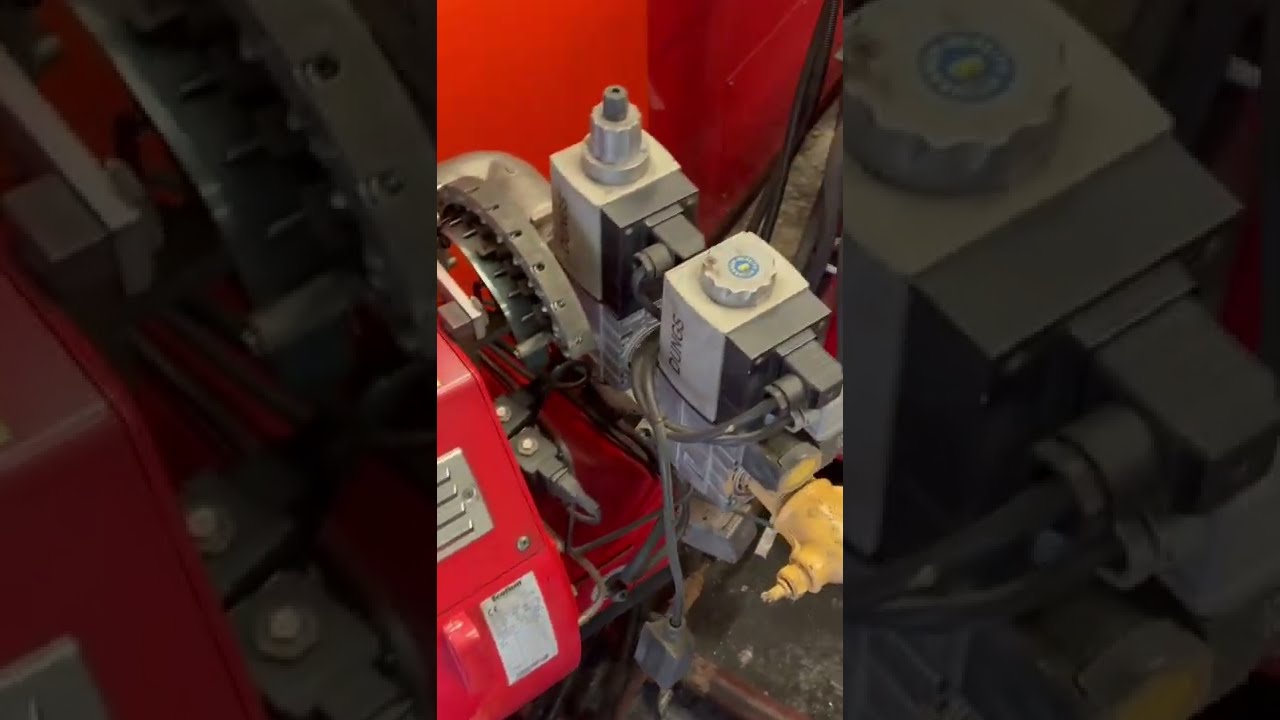
Take into consideration these key applications:
- Ventilation Solutions: Efficient style boosts air high quality and power conservation, essential in both property and industrial buildings.
- Pipeline Design: Correct analysis lessens stress loss and optimizes flow, assuring trusted transportation of gases over fars away.
- Security Protocols: Carrying out robust procedures based on gas circulation dynamics reduces threats connected with leakages or surges.
Ecological Effects of Gas Flow
The ecological influences of gas circulation can't be overlooked, as they play a necessary function in both local communities and global environment patterns. When you think about gas emissions, you have to recognize their contribution to air top quality destruction, which straight affects human wellness and biodiversity. Emission policies are important; they assist reduce the launch of greenhouse gases that worsen climate change.
Additionally, understanding the environmental consequences of gas flow demands advanced atmospheric modeling strategies. These versions enable you to predict how contaminants distribute and respond in the atmosphere. Efficient gas leakage detection systems are necessary for recognizing and fixing leaks quickly, decreasing the release of unsafe gases.
As the sector moves towards renewable gases, it is necessary to assess their ecological benefits and potential downsides. While they can decrease greenhouse gas emissions, their production and circulation still call for careful management to ensure compliance with air pollution control actions. Inevitably, a thorough approach that integrates modern technology, guideline, and lasting techniques will be substantial in resolving the environmental effects of gas circulation and promoting a much healthier world.
Future Patterns in Gas Dynamics
As industries significantly prioritize environmental sustainability, the future of gas dynamics is positioned for significant improvement. You'll see a shift in the direction of advanced simulation methods that enhance predictive modeling and flow visualization. These innovations will certainly permit even more accurate assessments of gas transportation, specifically in the context of renewable gases.
Consider the adhering to key fads:
- Microfluidic Applications: These will certainly make it possible for studies of gas circulation at smaller scales, bring about breakthroughs in energy efficiency.
- Computational Liquid Dynamics: Enhanced computational versions will certainly offer much deeper insights into intricate gas actions, maximizing industrial procedures.
- Security Laws: As gas dynamics develop, so will certainly safety standards, making certain that developments do not compromise operational stability.
With a focus on commercial advancements, you can anticipate an increase in methods that incorporate sustainable gases into existing systems. This assimilation will not just boost energy effectiveness yet also straighten with global sustainability objectives. Additionally, the continual improvement in simulation technologies will certainly help with better conformity with safety regulations, ultimately resulting in safer, a lot more effective gas transportation systems. As you explore these trends, you'll see how they reshape the landscape of gas characteristics for future generations.
Often Asked Concerns
What Equipment Are Utilized to Determine Gas Flow Prices?
To measure gas flow prices, you'll typically depend on various flow measurement methods, with gas circulation meters being one of the most usual. These meters, including thermal mass, vortex, and ultrasonic kinds, supply accurate dimensions. Each kind has its advantages depending on the application, such as pressure and temperature conditions. You'll want to select the best meter to assure precision and efficiency in your gas flow monitoring processes, boosting general system efficiency.
Just How Do Temperature Adjustments Affect Gas Circulation?
Temperature level changes straight affect gas flow by triggering thermal development. As temperature level surges, gas particles acquire energy, moving faster and increasing, which can raise circulation prices. On the other hand, cooler temperature levels lead to contraction, reducing the gas motion. In addition, these temperature changes produce stress variations within the system, influencing the total flow characteristics. You'll require to check these adjustments very closely to guarantee peak performance in any kind of gas flow application.
What Prevail Misconceptions About Gas Dynamics?
You might think suitable gases behave the very same under all conditions, but that's a mistaken belief. In truth, compressible liquids exhibit different circulation routines affected by pressure gradients and viscous results. Conservation regulations use in different ways in border layers, and gas mixes can make complex flow habits. Recognizing these elements helps you comprehend that not all gases follow the exact same rules, especially when temperature level and stress change, affecting their dynamics substantially.
Exactly How Can Gas Flow Be Visually Stood For?
You can visually stand for gas circulation with strategies like flow visualization, which highlights gas behavior in different settings. Tools such as smoke or color can highlight patterns, while computational liquid characteristics (CFD) software program simulates gas activity in detailed scenarios. You'll usually see visualizations like streamlines, vectors, and shape plots, which assist in comprehending exactly how gases communicate with surface areas and each other. These representations are necessary for analyzing effectiveness and maximizing styles.
What Role Does Disturbance Play in Gas Circulation?
Disturbance plays an essential role in gas circulation, influencing efficiency and stability. You'll discover that disturbance modeling helps forecast complex flow patterns, especially throughout flow separation. This separation can result in raised drag and reduced performance in numerous systems. By assessing disturbance, you can maximize layouts to alleviate damaging results and enhance general circulation qualities. Recognizing these dynamics is necessary for enhancing applications like aerodynamics and chemical processes in design.
Recap
In grasping gas circulation dynamics, you expose the prospective to enhance different applications, from commercial processes to environmental safety. By comprehending essential principles like thickness and stress distinctions, along with flow types, you can enhance system effectiveness and lower ecological impacts. As technology breakthroughs, staying notified regarding emerging trends in gas characteristics will certainly empower you to carry out innovative services, making sure sustainable and effective gas utilization in your engineering projects. Accept this knowledge for future success.